The question posed by many community members is straightforward: does the National Indigenous Australians Agency (NIAA) $2.83 million KMP pay packet deliver Closing the Gap outcomes or just enrich a few? The public record gives some answers and some gaps.
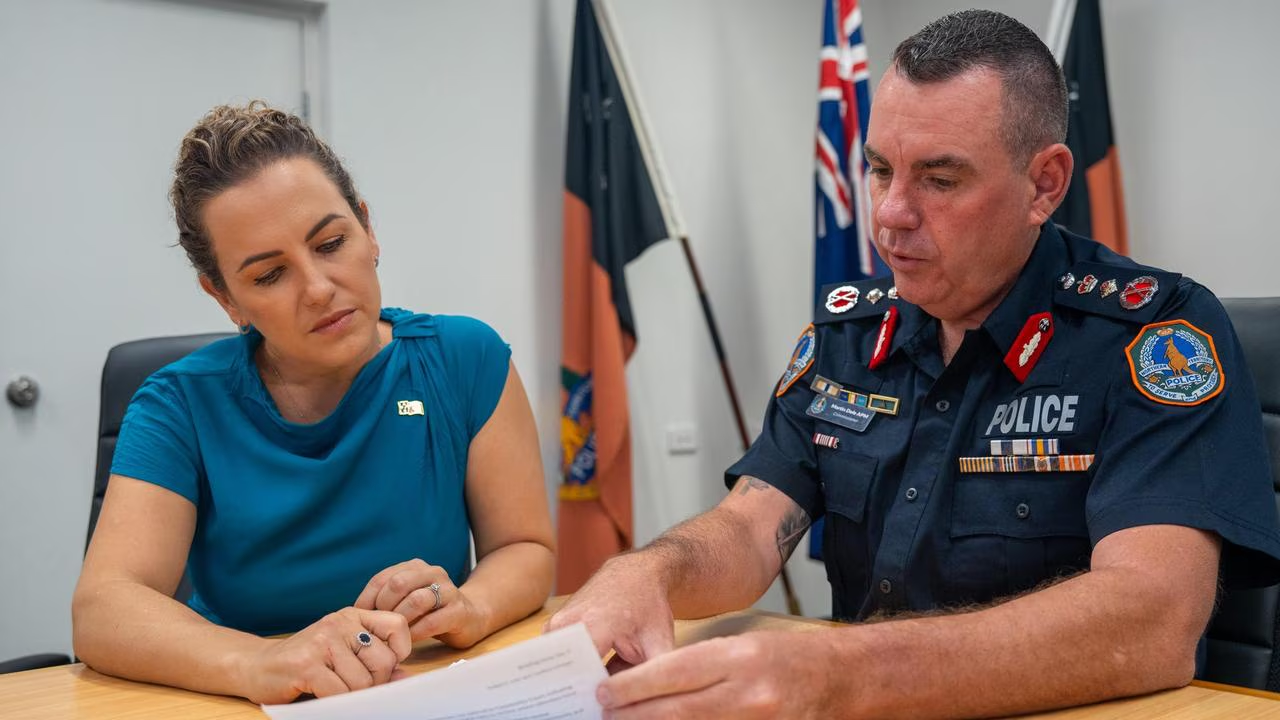
Start with who is counted. The NIAA defines KMP as those with authority to plan, direct and control the agency: the CEO, Deputy CEOs and COO, with Group Managers participating on a rotational basis until March 2025 when Executive Board membership changed. Six individuals met the KMP definition during 2024–25.
The remuneration total of $2,826,918 is spread across salaries, superannuation and long‑service leave, with no bonuses paid at any level – consistent with a wider policy that “The NIAA does not pay performance bonuses to employees.”
Scale matters for context. The NIAA administered about $2.1 billion in programs in 2024–25, including $1.806 billion in grants, and manages more than 4,000 individual grants each year across the Indigenous Advancement Strategy and ABA programs – activity that the Auditor‑General examined in a clean audit opinion focused on whether grant payments occurred properly.
On outcomes, the agency is candid that not all performance measures were mature this year. Its performance statement acknowledges insufficient evidence to judge a key activity and reliability concerns with some targets, and says it will review and enhance performance measures.
That matters because it limits the public’s ability to connect executive pay with program impact.
What can be observed is activity and stewardship: the NIAA continued to lead and coordinate Closing the Gap across the Commonwealth, supporting Joint Council meetings on 5 July 2024, 15 November 2024 and 20 June 2025, and coordinating with states, territories and the Coalition of Peaks. It also supported improvements to the Commonwealth Closing the Gap Annual Report and Implementation Plan and stood up a Data Policy Partnership to embed Indigenous data sovereignty.
The agency’s vision that “Aboriginal and Torres Strait Islander peoples are heard, recognised and empowered” guides this work. But the critical test for many will be whether the coming year’s improved measures show tangible shifts against the national targets.

Discover more from Indigenous News
Subscribe to get the latest posts sent to your email.