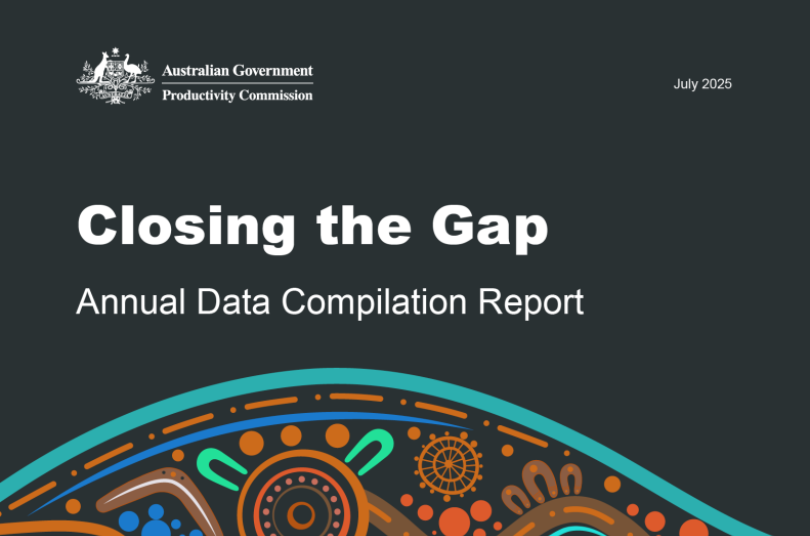
The federal government has released its latest annual report on Closing the Gap and a new implementation plan, setting out what it says has been delivered across Commonwealth agencies and what will be prioritised next in partnership with First Nations organisations.
The documents arrive as many communities and peak bodies continue to argue the key test is not the volume of programs announced, but whether decision-making power, resourcing and accountability are shifting in ways that actually improve outcomes on the ground.
The annual report sits within the National Agreement on Closing the Gap, which is designed around “shared accountability” between governments and Aboriginal and Torres Strait Islander representatives, including the Coalition of Peaks. The agreement includes priority reforms intended to change how governments work with First Nations people (such as strengthening community-controlled services and supporting shared decision-making) alongside headline outcome targets across health, education, justice, housing and wellbeing.
In the government’s framing, the new report reinforces that Closing the Gap is “whole-of-Commonwealth business”, with multiple agencies responsible for actions in their own portfolios. The accompanying implementation plan outlines how the Commonwealth intends to support priority reforms and progress targets, including through investments in areas such as remote employment, food security and access to culturally safe services.
“Failure is a word for those who have stopped trying – or given up listening… I make this clear today: I am not contemplating failure. Our government is not contemplating failure. We are determined to succeed.” – PM Anthony Albanese
For many First Nations organisations, the recurring concern is that progress cannot be sustained through short-term funding cycles, fragmented programs and frequent administrative changes. Community-controlled sectors have repeatedly said that locally governed services are essential for culturally safe delivery (especially in health, family safety and justice) and that the strongest results come when communities can design and lead solutions rather than simply participate in consultation.
The release of the report also renews attention on data and transparency. Closing the Gap is tracked through a mix of national and jurisdictional reporting, but community advocates often argue that headline target reporting can obscure what is happening in specific regions, particularly remote areas, and that governments should publish clearer information about spending, timelines and performance measures.
“We continue to drive changes to the way governments work with First Nations people, organisations and communities, to ensure policies and programs are developed in genuine partnership.” – Minister for Indigenous Australians, Malarndirri McCarthy
The annual report and implementation plan are likely to be closely read by Aboriginal peak bodies, service providers and researchers who track the National Agreement, including what actions have been completed, what remains delayed, and how governments are responding where targets are not on track.
While the government points to partnership language and practical investments, many in the sector say the next phase must show measurable change in the systems that shape daily life (including housing, healthcare access, family safety supports and pathways into decent local jobs) with First Nations leadership not treated as optional, but central.
Discover more from Indigenous News
Subscribe to get the latest posts sent to your email.