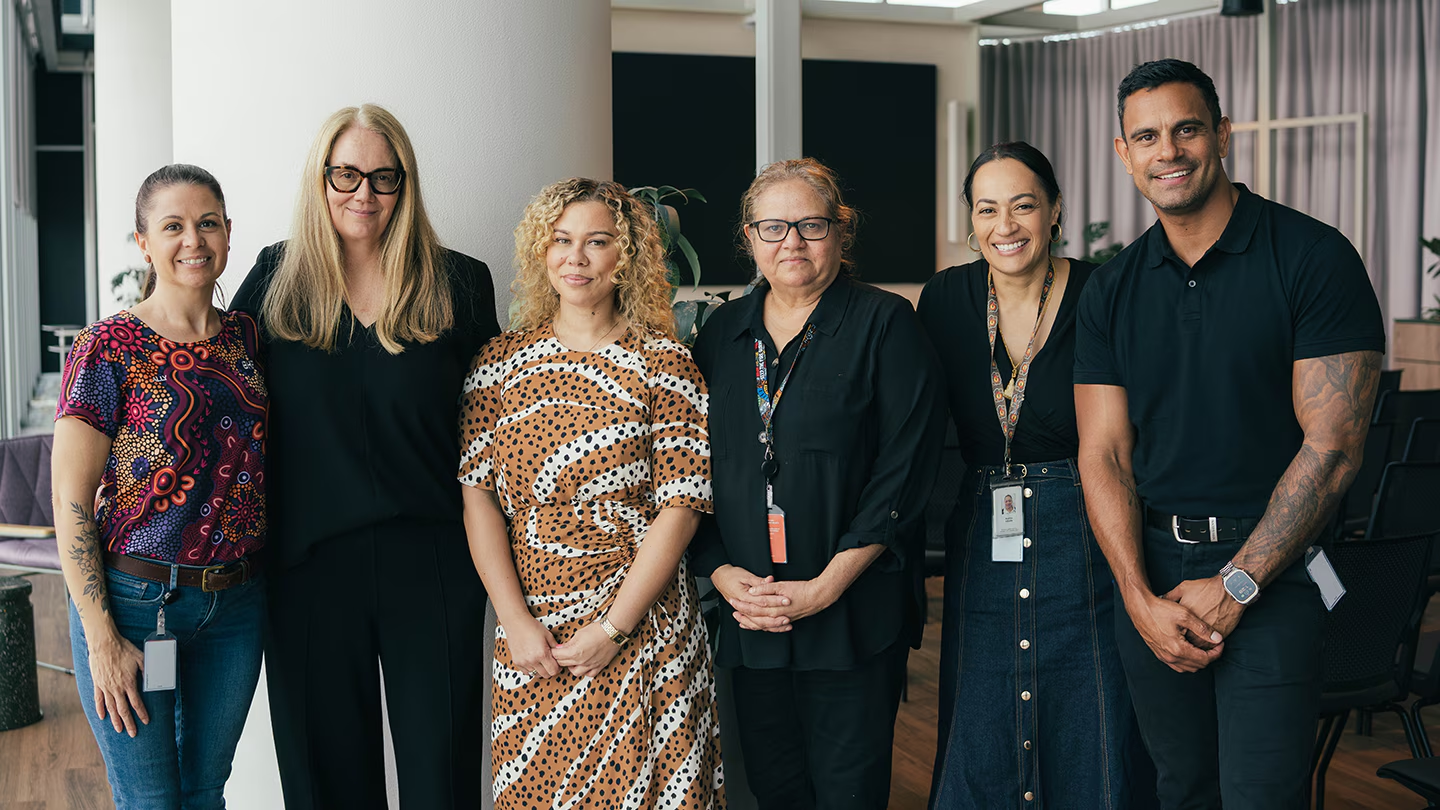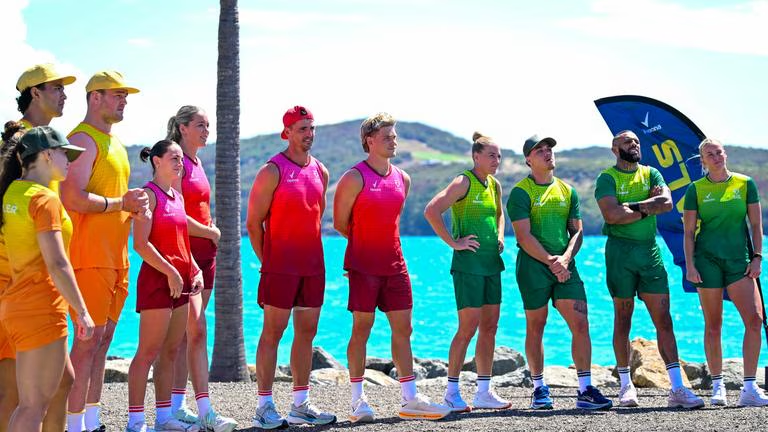
A new reality‑competition series is about to turn Australia’s perennial “best footy code” argument into prime‑time viewing – with Indigenous players carrying both sporting expectations and cultural visibility into the arena.
RIVALS (an eight‑part series) will premiere on Kayo Sports on 1 March 2026, pitching rugby league talent against athletes from Australian rules and rugby union across a slate of physical and mental challenges. Fox Sports’ coverage described the concept as a bid to “settle the age old Australian sporting debate” over which code reigns.
For league, the headline names include Reece Walsh, Jaime Chapman and Josh Addo‑Carr, joined by Jillaroos veteran Ali Brigginshaw, with the series framed around code pride and “bragging rights.” Promotional reporting also says the program will be available on Foxtel in addition to Kayo.
Chapman said the opportunity mattered for more than sport, linking participation to culture and inspiration for young people. “I am incredibly grateful… as a proud Indigenous woman” she said, adding: “I carry my culture, family, and community with me.”
That emphasis on identity echoes the wider Indigenous sporting calendar. On NRL.com this week, Addo‑Carr spoke about the All Stars concept as an act of representation, saying: “The whole idea of All Stars is about representing… identity.” (The NRL says Addo‑Carr is set to return for the 15 February All Stars match against Aotearoa Māori at FMG Stadium Waikato. )
But RIVALS is also unapologetically commercial. TV Central reports the series is tied to a retail promotion (“Fuelled by Woolworths”) and will follow on from Fox League’s Las Vegas coverage on Kayo. Separate marketing trade reporting links the program to Rexona’s campaign and indicates the tie‑in runs through Woolworths across February–May 2026.
For Indigenous athletes, that blend of entertainment and advertising can be double‑edged: it can open doors to broader audiences, while increasing pressure to “perform” culture in spaces not designed by mob. (This is analysis.) The strongest safeguard is often the simplest: ensuring Indigenous participants control how they speak about culture – and that their words are carried in full, not flattened into branding.
As the series launches, the bigger story may not be which code wins the final challenge, but what audiences learn when Indigenous excellence is allowed to sit at the centre not as a theme, but as a given.
Discover more from Indigenous News
Subscribe to get the latest posts sent to your email.