The Northern Territory Government says it will introduce voluntary assisted dying (VAD) legislation to Parliament in mid‑2026, almost thirty years after the Commonwealth overturned the Territory’s world‑first euthanasia law.
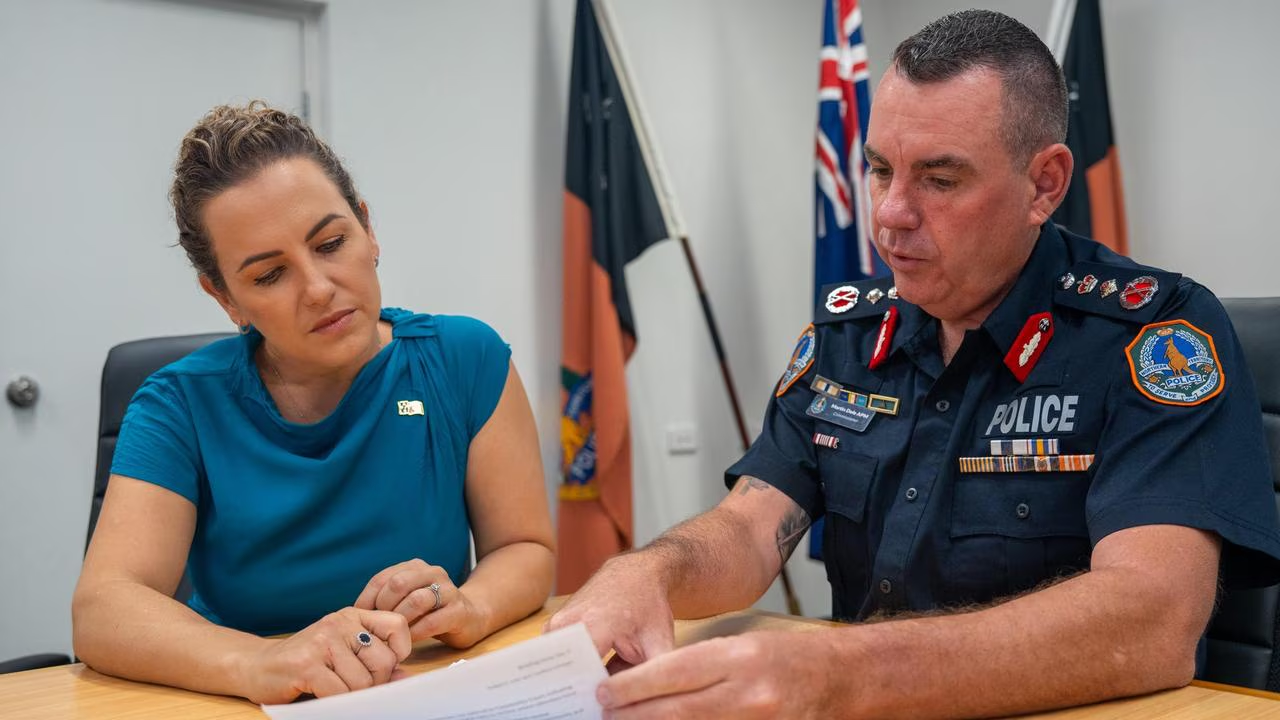
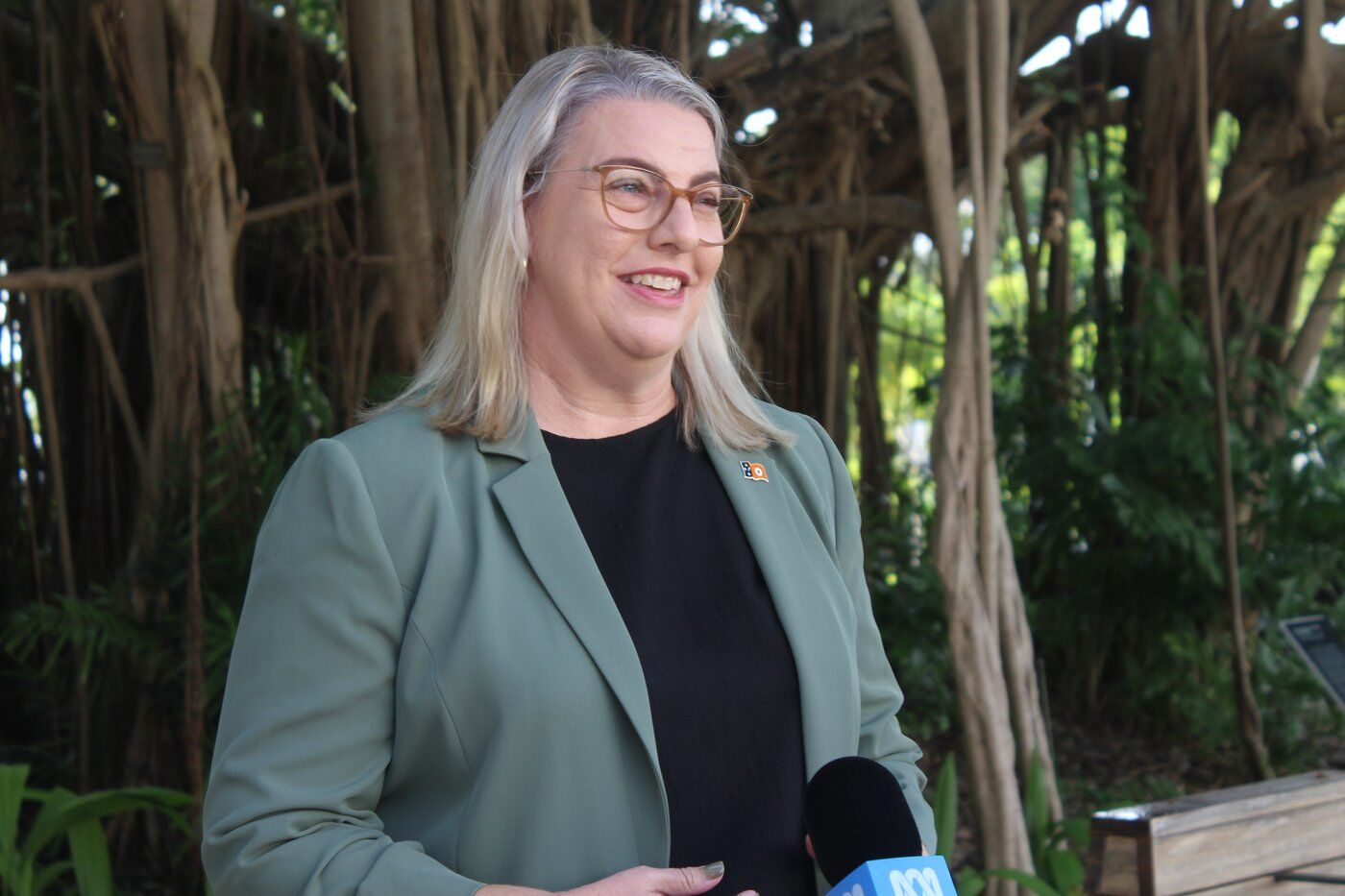
Attorney‑General Marie‑Clare Boothby has confirmed the bill is being drafted and will be put to a conscience vote, allowing MPs to vote according to their personal views. “Legislating for the rights of the terminally ill is one of the most sensitive and complex reforms any government can undertake,” she said in a statement.
The move follows a months‑long parliamentary inquiry which delivered its final report in September 2025. The committee recommended the Territory adopt an assisted dying law and fund a public education campaign to raise awareness and counter misinformation, particularly in remote and Indigenous communities.
The NT was the first place in the world to legalise VAD in 1995, but the Rights of the Terminally Ill Act was overturned in 1997 when the federal Andrews Bill removed the NT and ACT’s power to make such laws. That restriction was lifted in 2022; today the Northern Territory remains the only Australian jurisdiction without VAD legislation, after all six states and the ACT legalised the practice.
The Territory’s demographic and health profile makes the debate particularly sensitive. The NT has about 260,000 residents spread across an area almost the size of France, and Aboriginal and Torres Strait Islander people make up just over a quarter – roughly 30 per cent – of the population. Around three‑quarters of Aboriginal Territorians live in remote or very remote areas, compared with about 15 per cent of Aboriginal people nationally, and the overall burden of disease in the NT is estimated to be 77 per cent higher than the national average.
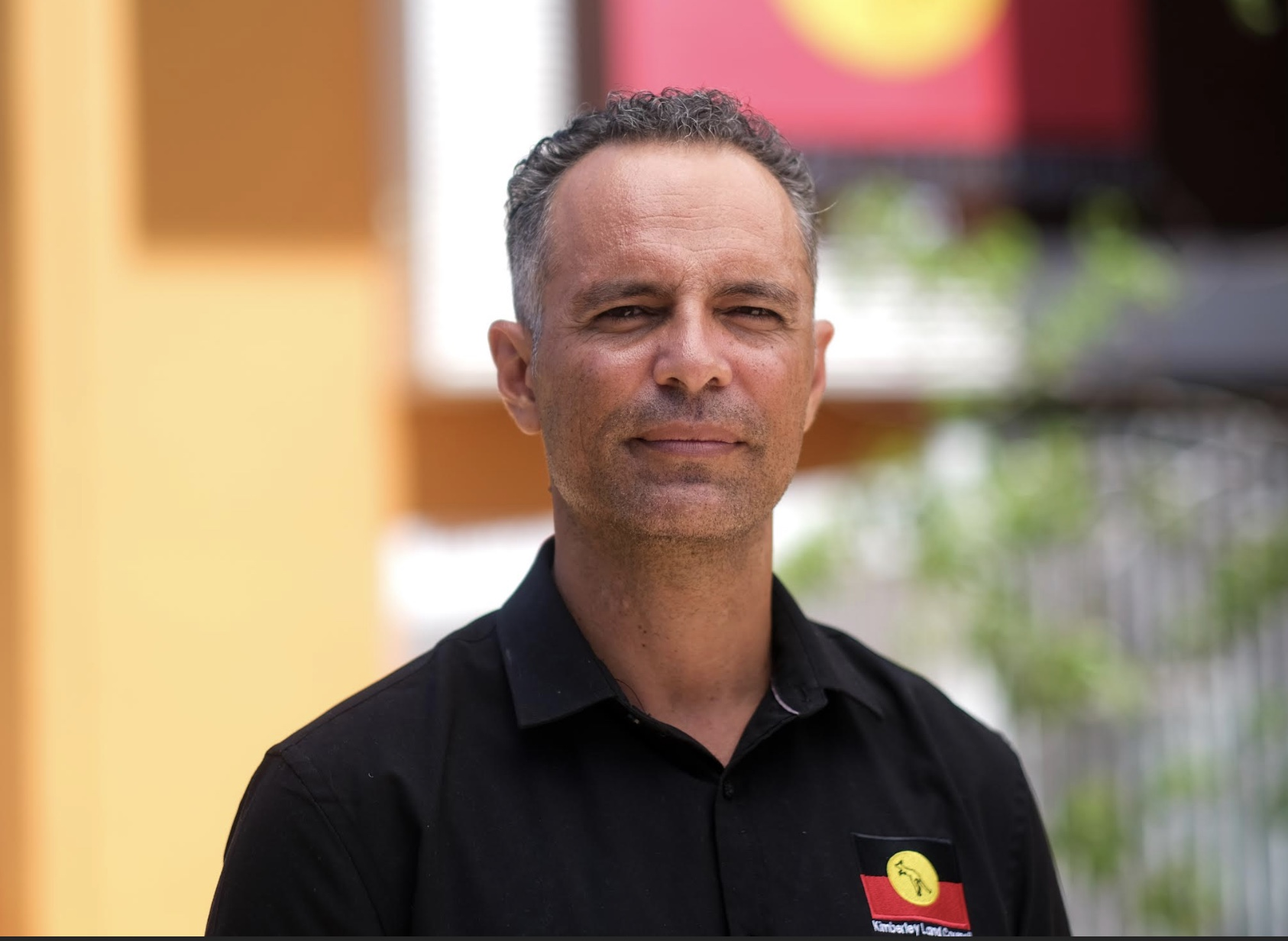
Shadow Attorney‑General Chansey Paech, a proud Arrernte, Arabana and Gurindji man who represents the remote electorate of Gwoja, has previously told Parliament he will abstain on a VAD bill, despite personally supporting the principle. He says he is speaking “as the elected representative of the people of Gwoja”, and that views in bush communities are “mixed, complex and deeply emotional”.
Mr Paech says many constituents support the idea that people should have a say over their own end‑of‑life choices, but others are uncomfortable with the concept and how it fits with culture. “Many have also told me that this concept of voluntary assisted dying is difficult to translate and even hard to understand in a cultural context.” He has warned there is still no clear model for how VAD would work in remote communities, including who would be eligible, how safeguards would operate and how kinship structures would be recognised.
Aboriginal health organisations have also urged caution. Central Australian Aboriginal Congress, for example, told the inquiry it would not take a formal position for or against VAD at this stage, but stressed that culturally safe and clinically appropriate palliative care must be available in all Aboriginal communities (especially remote ones) so people can exercise end‑of‑life choices on their own Country.
Across the country, other jurisdictions are grappling with similar issues. A recent review of Victoria’s VAD regime recommended reforms to improve awareness and access for Aboriginal and multicultural communities, recognising that the original model can be harder to navigate for people from different cultural backgrounds.
For now, the NT Government is promising to take the time to get this right, balancing the push for choice from many terminally ill Territorians with calls from Aboriginal leaders to ensure any law is safe, fair and culturally respectful.
If this story brings up tough feelings for you, you can contact Lifeline on 13 11 14 or 13YARN (13 92 76) for Aboriginal and Torres Strait Islander crisis support.
Discover more from Indigenous News
Subscribe to get the latest posts sent to your email.