BHP has launched a new initiative aimed at strengthening partnerships with Indigenous communities and organisations, using workshops designed to improve how social investment is planned, delivered and evaluated.
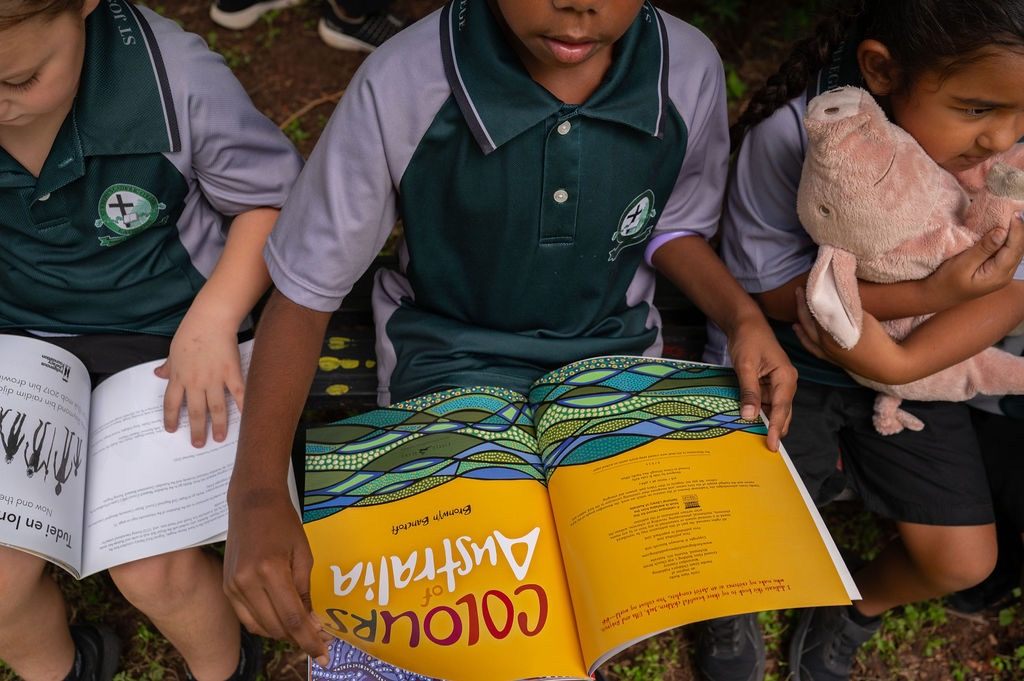
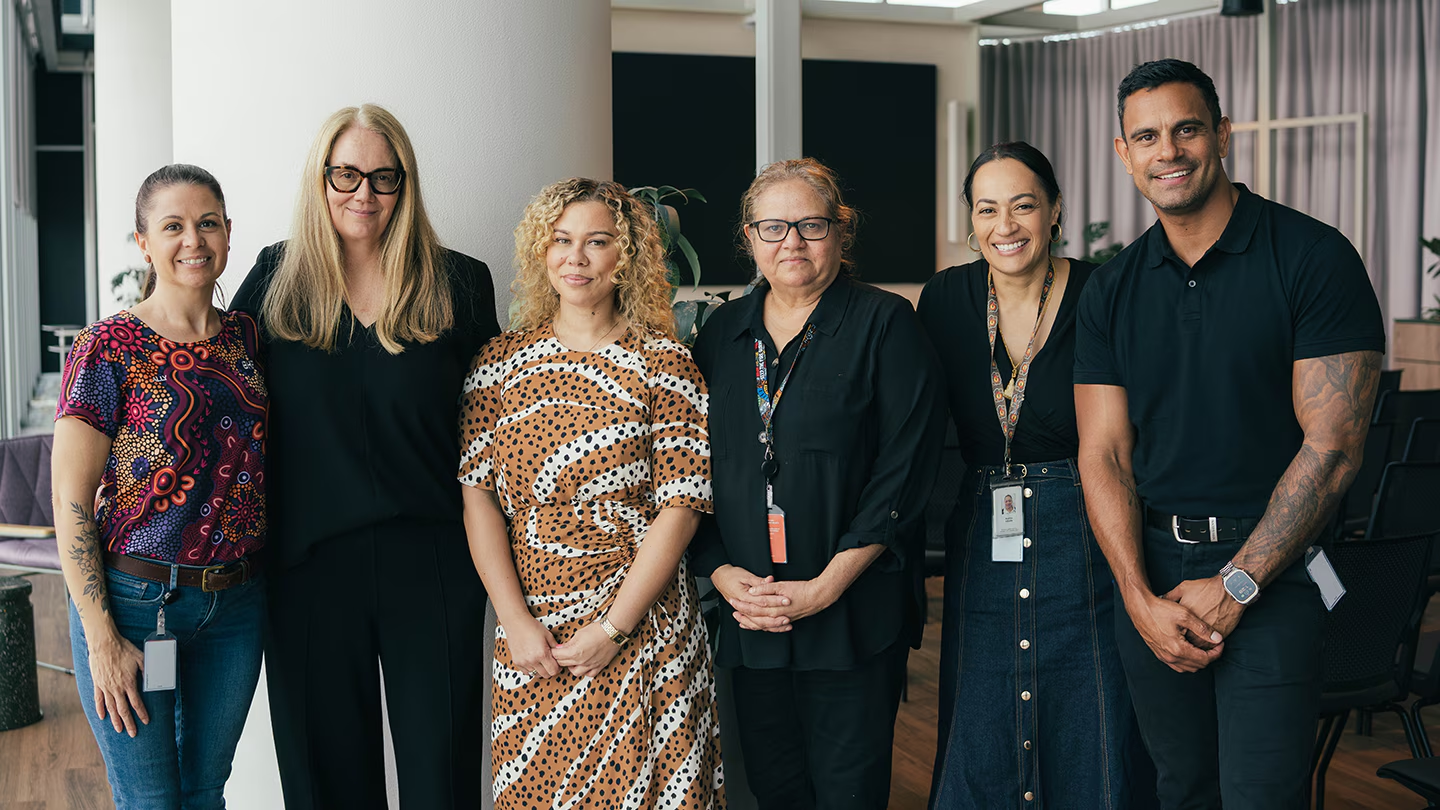
The company says the workshops are intended to support social investment that produces sustainable benefits, including through stronger collaboration with community partners. Reporting on the initiative highlighted Indigenous organisations attending the sessions, including WA education charity MADALAH, which supports First Nations students through scholarship and wraparound support.
MADALAH’s recently appointed chief executive, Casey Jo Drummond, said the workshops were valuable for connecting with partners and exploring how investment can translate into longer-term outcomes rather than short-lived projects. The initiative comes as Indigenous organisations continue to push for partnerships that are accountable, transparent and aligned with community priorities, especially in areas connected to education, jobs and cultural wellbeing.
BHP has previously described MADALAH as supporting opportunities for First Nations students beyond fee assistance, including stronger education pathways and experiences that can expand life choices. Indigenous education organisations have argued that sustained support – across boarding transitions, mentoring, family engagement and post-school pathways – is what shifts outcomes over time.
The new workshops are being framed as part of a broader trend in corporate-community relationships: a move away from one-off funding announcements towards partnership models that focus on governance, long-term planning and measurable impact. For Indigenous partners, the key question is whether these initiatives embed genuine shared decision-making, including on what “success” looks like and how cultural authority is respected in project design.
Advocates within the Indigenous community sector have also warned that “partnership” language can be misused if outcomes remain controlled by external institutions. They argue that the strongest models are those where community organisations set priorities and timelines and where investment supports local capability rather than substituting for government responsibilities.
The workshop approach may be welcomed if it results in clearer commitments, longer funding horizons and less administrative burden on community-controlled organisations. However, Indigenous leaders continue to stress that genuine partnership requires more than consultation: it must include community authority, fair benefit-sharing,= and safeguards to ensure cultural and social outcomes are not traded off against reputational goals.
As the initiative rolls forward, attention will be on whether Indigenous partners see tangible changes: better alignment to community priorities, clearer accountability and partnerships that endure beyond a single funding cycle.
Discover more from Indigenous News
Subscribe to get the latest posts sent to your email.