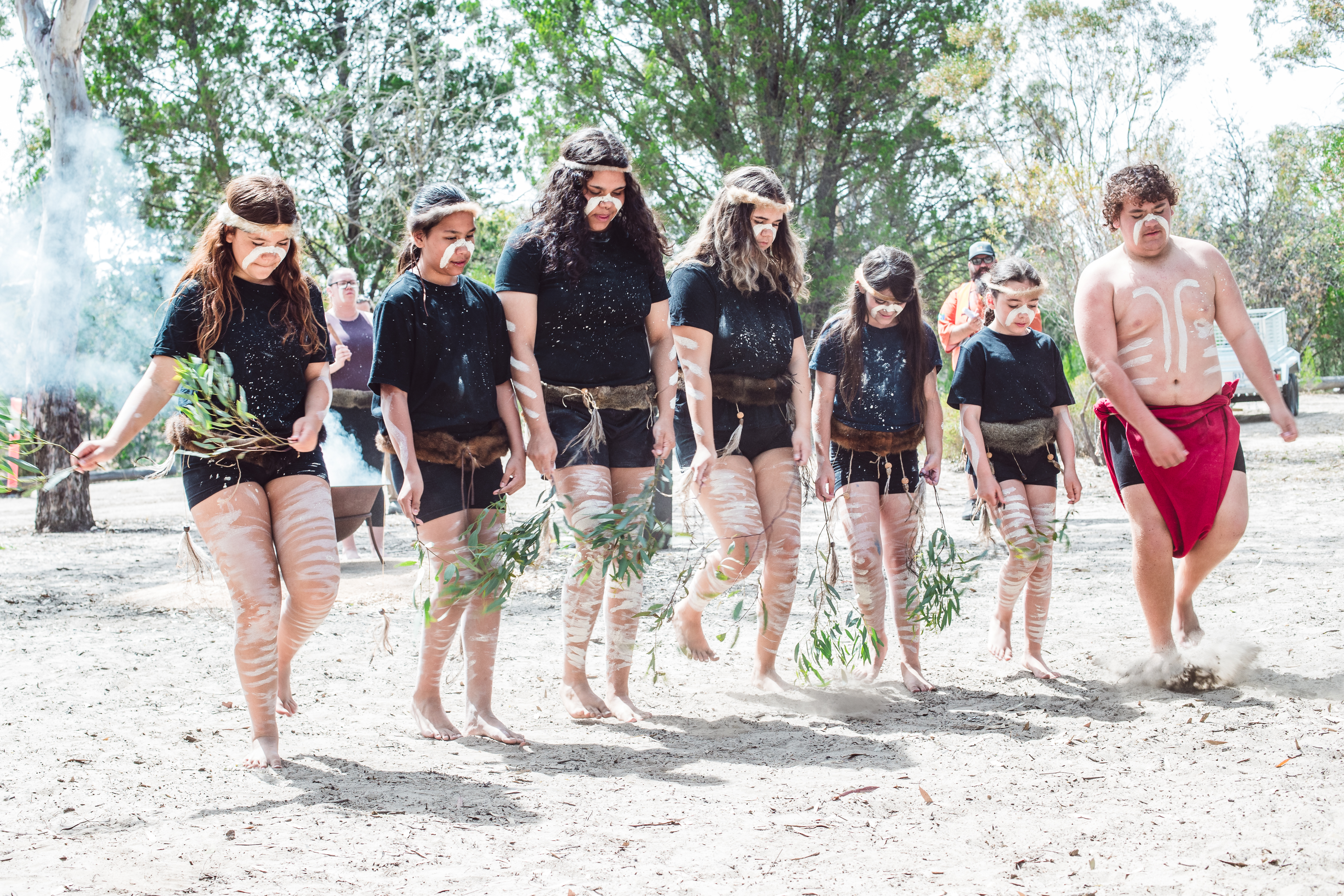
A growing wave of First Nations artists are expanding their presence across contemporary mediums (from large-scale public art and brand collaborations to gallery practice and digital platforms) as audiences seek work grounded in strong cultural connection and modern creative confidence.
A new profile series has highlighted five First Nations artists “paving the way forward”, pointing to a broader trend in Australia’s arts economy: Indigenous creatives building careers that move between community, cultural responsibility and commercial opportunity without severing ties to Country.
Gadigal artist Jesse Wright, known professionally as JESWRI, has built a career spanning murals, illustration, and creative direction. Reflecting on a major collaboration connected to the Australian Open, Wright said: “The Australian Open was actually a bit of a dream come true.” He linked the moment to building a life and practice in Naarm/Melbourne, adding: “We opened an art gallery and laid down some roots.”
On his official website, Wright is described as a “Gadigal artist” best known for “large scale public art & commercial brand collaborations”, reflecting how some First Nations artists are increasingly navigating both institutional and mainstream brand spaces while maintaining cultural identity and public visibility.
The same profile series highlights the sustained public appetite for Indigenous work that speaks to place and memory. Gumbaynggirr and Bundjalung artist Otis Hope Carey is widely recognised for ocean-inspired work tied to cultural identity. In an interview, Carey introduces himself simply and directly: “My full name’s Otis Hope Carey. I’m a Gumbaynggirr and Bundjalung man,” describing life and practice shaped by Country and the sea.
Local government public art programs and galleries have also played a role in amplifying Indigenous artists through commissioned works and exhibitions, helping translate community-led cultural narratives into prominent public-facing spaces. For many artists, these opportunities are not just about visibility, but about reshaping what “contemporary” means in Australia – placing Indigenous knowledge systems, story and ongoing sovereignty at the centre of creative production.
As the sector continues to reckon with questions of cultural safety, fair remuneration, and ethical collaboration, the prominence of First Nations artists across mediums is also renewing calls for stronger protections against exploitation and stronger pathways for Indigenous-led commissioning, curation and ownership.
Discover more from Indigenous News
Subscribe to get the latest posts sent to your email.