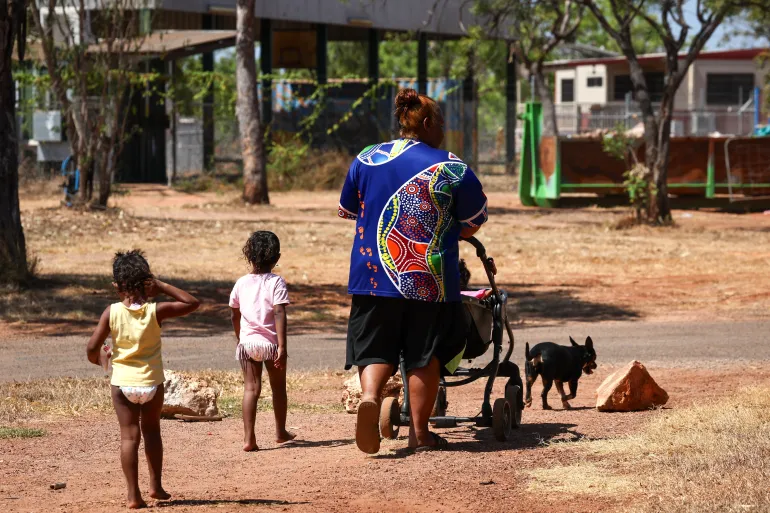
New data on child protection has reignited calls for Indigenous-led decision-making after advocates warned Aboriginal and Torres Strait Islander children continue to be removed from their families at “alarming and profoundly disproportionate” rates, almost two decades after the National Apology to the Stolen Generations.
In commentary responding to the latest national figures, Indigenous advocacy group Children’s Ground said recent data confirms the removal of First Nations children remains deeply unequal. The group pointed to results in the Productivity Commission’s Report on Government Services 2026, noting First Nations children make up about seven per cent of the national population aged 0 to 17, yet account for almost half of children placed in out-of-home care.
At 30 June 2025, 15,340 Aboriginal and Torres Strait Islander children were living in out-of-home care nationally, according to figures cited in the coverage. That equates to around 44 per cent of all children in care.
The figures have also been highlighted in ABC reporting marking 18 years since the 2008 apology, which said “statistics reveal the number of Indigenous children removed from their families has more than doubled” since that landmark moment. For survivors and families, the contrast between the apology’s promise and current outcomes is a source of grief and anger, with advocates arguing that a system meant to protect children too often disrupts families and culture.
Children’s Ground argues reforms must be Indigenous-led, with stronger support for family safety, healing and early intervention to prevent removals. While child protection is primarily a state and territory responsibility, national frameworks such as Closing the Gap include targets to reduce overrepresentation. The Productivity Commission’s Closing the Gap dashboard sets a target to reduce the rate of overrepresentation of Aboriginal and Torres Strait Islander children in out-of-home care by 45 per cent by 2031.
Advocates say progress will require more than targets: they want deeper structural change, including addressing poverty, housing insecurity, family violence, and the lack of culturally safe supports that can stabilise households before crises escalate. Without sustained action, they warn, the legacy of Stolen Generations policies risks being perpetuated through contemporary systems, leaving children disconnected from kin, culture and Country.
Discover more from Indigenous News
Subscribe to get the latest posts sent to your email.