More than 130 Stolen Generations survivors travelled to Canberra this week to mark the anniversary of the National Apology and to renew calls for long-term, survivor-led support as many elders age with complex health, trauma and housing needs.
The annual gathering, held at Parliament House on Ngunnawal and Ngambri Country, has become a rare national moment of reunion and recognition. Survivors described the day as both a source of strength and a reminder that many families are still searching for missing relatives, records and answers decades after forced removals.
Alongside the commemoration, the Australian Government announced up to $87 million over four years for specialised support services for Stolen Generations survivors. The package is intended to strengthen services such as family tracing and reunification support, counselling and social and emotional wellbeing programs, and assistance navigating redress and records systems.
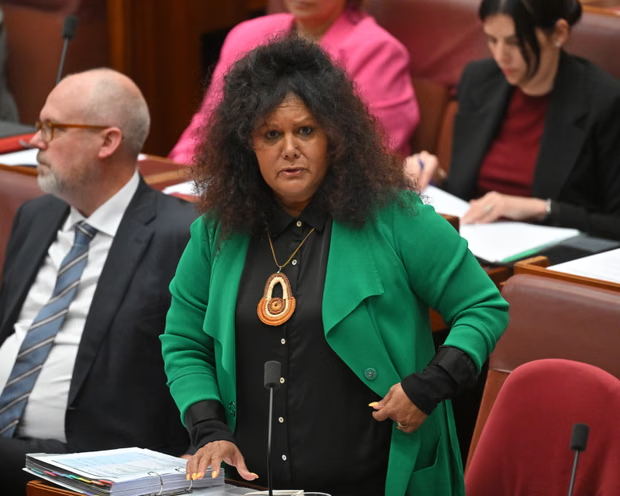
“Sadly, for many of our people, the distress and hurt continues today. This is why understanding and supporting the needs of the Stolen Generations is so important... The Albanese Government recognises the strength of Stolen Generations survivors and the need to provide meaningful support to them and their families.” – Senator Malarndirri McCarthy, Minister for Indigenous Australians
Survivors and advocates say funding must be matched by practical reforms that reduce barriers to records access and improve culturally safe aged care, particularly for people living regionally and remotely. They argue that many survivors have spent lifetimes carrying the impacts of forced separation (including disrupted identity, ongoing grief and heightened vulnerability to poverty and ill health) and that support should be consistent across jurisdictions rather than dependent on short-term programs.
The gathering also surfaced ongoing debate about reparations and redress. While some states have established schemes, survivor advocates say access remains uneven and too many people fall through the gaps, particularly those who were moved across state lines or who cannot easily prove their history because of incomplete documentation.
Speeches at the anniversary event acknowledged the significance of the apology while emphasising that the work of truth-telling and healing is unfinished. Survivor representatives called for services to be designed and governed with survivors, and for governments to measure progress against outcomes that matter to families: reconnection, safety, dignity and cultural continuity.
Discover more from Indigenous News
Subscribe to get the latest posts sent to your email.