Country towns run on relationships. Most of us are used to “mates’ rates” – choosing a local you know to fix the roof, service the ute or cater an event. There is nothing wrong with that in private life.
But it becomes a problem when the same habits seep into public systems that are supposed to distribute billions in funding and contracts fairly, especially in Indigenous Affairs.
The petition to “End Nepotism in Indigenous Affairs” argues that the current Indigenous Procurement Policy risks, in effect, rewarding insiders while locking others out. Its concerns are backed by data, not just rumour. The ANU study of IPP contracts worth at least $10,000 between 2015–16 and mid‑2023 found that half of the $7 billion in contracts went to just 18 businesses, and half of all contracts to only 11. Large shares of that work went to companies based in Canberra.
At the same time, significant portions of IPP spending have gone to firms with only minimal or unclear Indigenous ownership: 47 per cent of total contract value to companies with 50–51 per cent Indigenous ownership, and 27 per cent to businesses where Indigenous ownership was not recorded.
Those settings, combined with complex panel arrangements and close social networks around federal decision‑making, create conditions where nepotism and perceived favouritism can take hold, even if no laws are broken.
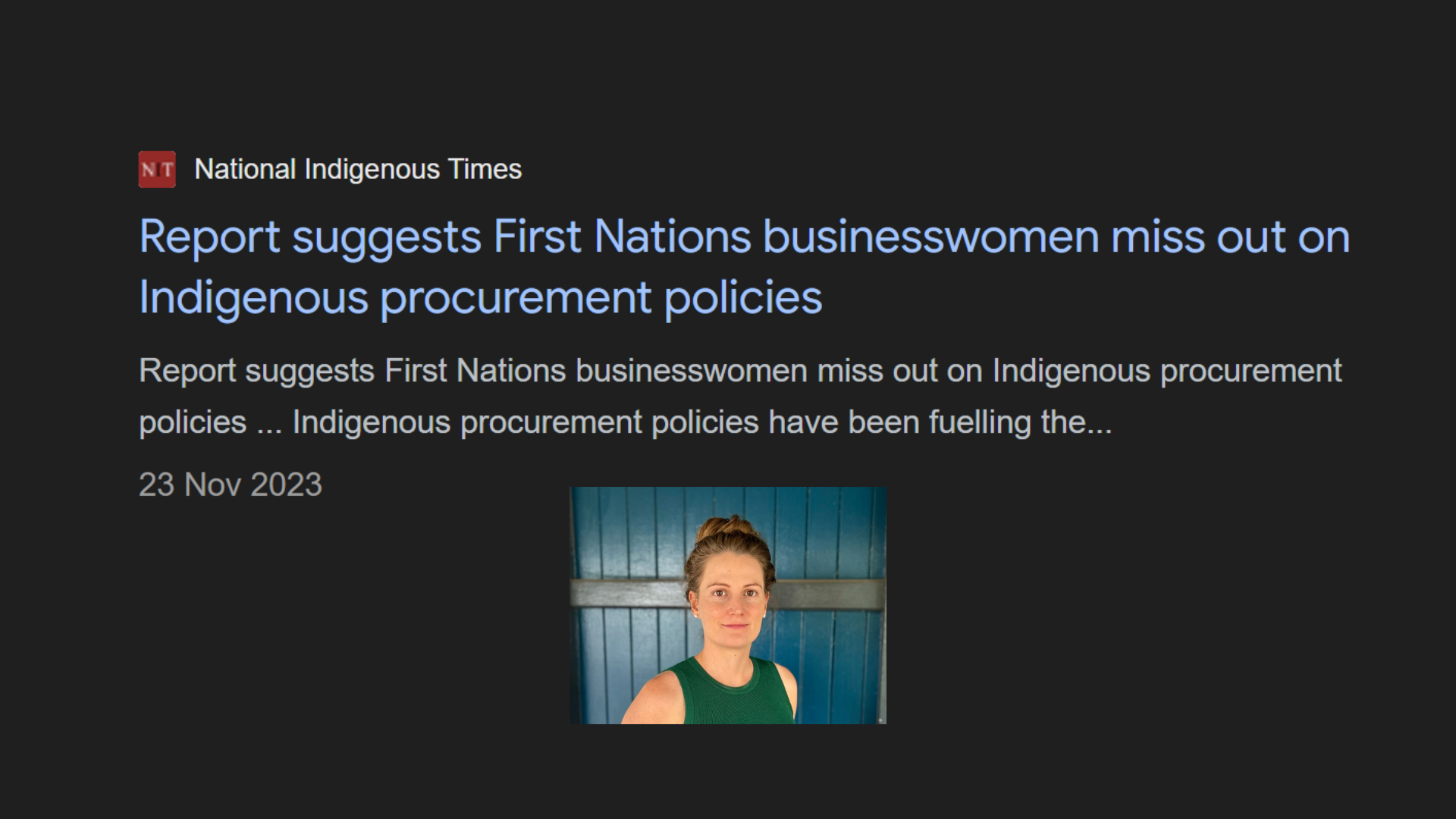
For Indigenous women in business the effects are particularly stark. 2023 analysis showing that Indigenous women owned 28 per cent of Supply Nation‑registered businesses but received only 14 per cent of contract revenue, meaning they earned about half of what might be expected from their share of enterprises.

No policy can eliminate all family or community connections from public life, nor should it try. Indigenous kinship systems are a strength and in many communities it is natural that trusted leaders are related to each other. The point is not to ban relatives from doing business with government; it is to ensure that opportunities are not effectively confined to one small circle, while equally capable Aboriginal businesses (especially women‑led ones far from Canberra) rarely get a look‑in.
The petition’s solutions are pragmatic. Greater transparency about who wins IPP contracts would make it easier to see if work keeps flowing to the same networks. Stronger verification of ownership and control would reduce the space for black cladding. Setting and reporting on targets for contracts to Indigenous women‑owned and regional businesses would help test whether the system is genuinely broadening opportunity.
A procurement system that gives the impression of mates and cousins getting most of the benefit undermines trust in government and in local leadership. If Indigenous Affairs is to be a place of self‑determination rather than suspicion, the shift from mates’ rates to merit is overdue.
Discover more from Indigenous News
Subscribe to get the latest posts sent to your email.