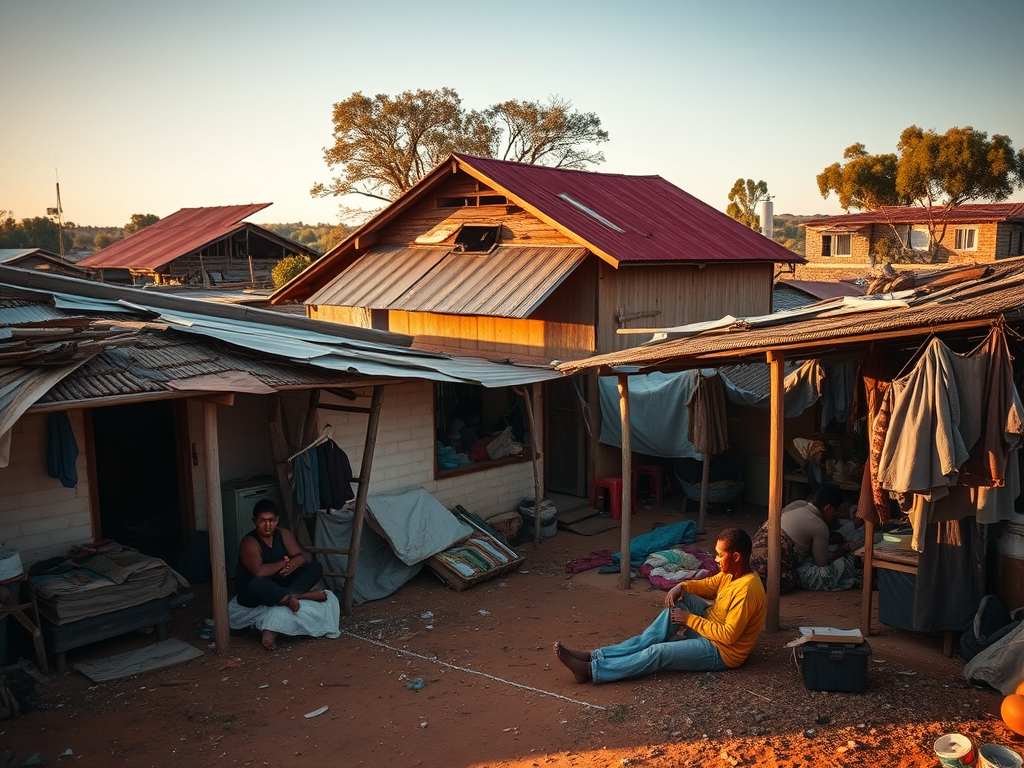
Overcrowding and housing quality remain critical barriers to better health, education and employment outcomes for First Nations families. The latest Australian Institute of Health and Welfare (AIHW) updates bring together the evidence: secure, uncrowded, safe housing is a determinant that underpins many Closing the Gap targets, yet substantial need persists, especially in remote regions.
The Health Performance Framework summary (June 2025) reiterates the link between housing and health outcomes, while the housing measure for the Closing the Gap agreement highlights the 2031 goals for essential services in discrete communities and town camps. ABS statistical releases remain a key source for overcrowding and tenure trends, which feed into government reporting on progress.
This challenge is not simply about building more houses; it is about lifting habitability (fixing water, power and sewerage reliability) alongside culturally safe tenancy management and maintenance. These basics reduce disease risks, stabilise schooling and support local employment. Policy levers include capital programs, targeted repairs, and local procurement that grows Aboriginal businesses.
With budgets (NIAA) now committing multi-year funding to remote service delivery, a practical focus on housing condition and infrastructure will be decisive. Governments and community-controlled organisations share an interest in transparent, region-level reporting so communities can track whether investments are easing crowding, reducing preventable disease and supporting children to learn.
Discover more from Indigenous News
Subscribe to get the latest posts sent to your email.