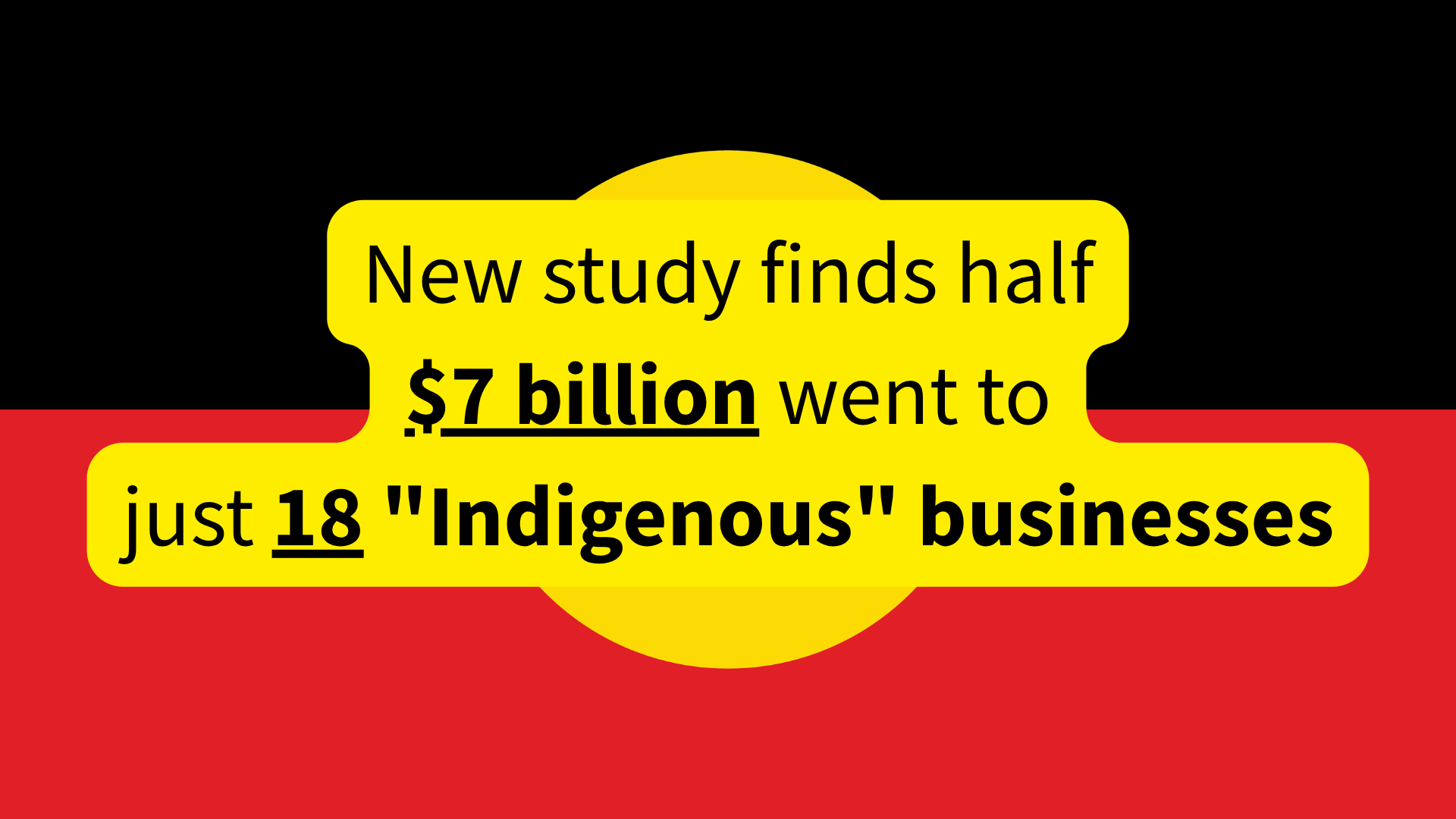
Governments use procurement targets to lift Indigenous participation. Done well, it builds businesses and jobs. Done poorly, it invites “blakwashing” (or “black cladding”) and risks box‑ticking rather than real outcomes. The current Taskforce story makes the stakes clear.
What “black cladding” means
Supply Nation defines it as a non‑Indigenous business or person taking unfair advantage of an Indigenous business or person to gain access to Indigenous procurement policies or contracts. Its guidance says serious cases can be referred to police or regulators.
How the Commonwealth IPP works – and what changed:
- The Indigenous Procurement Policy (IPP) sets annual targets and Mandatory Minimum Requirements (MMRs) for Indigenous employment and supply in certain high‑value contracts.
- In 2025 the ANAO follow‑up audit pressed entities to tighten compliance checks on MMRs and ensure contractors actually meet targets, rather than treating non‑compliance as an “exemption.”
- Recent federal updates flagged by legal briefings raise the bar (to 51% ownership and control) to better ensure benefits flow to Indigenous owners and communities. (Procurement officials should always confirm current thresholds in the NIAA’s materials.)
What state audits show: Western Australia’s Aboriginal Procurement Policy has boosted spend with Aboriginal suppliers but still needs stronger monitoring. In 2023–24 WA reported 357 contracts to Aboriginal suppliers totalling $439 million, while the Auditor General’s 2024 performance audit called out areas for improvement.
Why this matters for fraud risk
When agencies or prime contractors rush to meet targets, the temptation is to tick the certificate box. Auditors urge verification (checking community letters, ownership, and delivery roles and running spot checks) because weak controls enable cladding and undercut genuine Aboriginal businesses.
Bottom line
Procurement can be a powerful lever for Indigenous economic development, but only if verification and enforcement match the ambition of the targets.
Discover more from Indigenous News
Subscribe to get the latest posts sent to your email.