When we talk about gender‑based violence in Aboriginal communities, the focus often lands on crisis: police call‑outs, hospitalisations, coronial reports. We must talk about those things. But if that’s all we talk about, we miss the chance to prevent the next generation from ever reaching that point.
This 16 Days of Activism, we should be asking a different question: what are our youth learning about respect, power and love… and who are they learning it from?
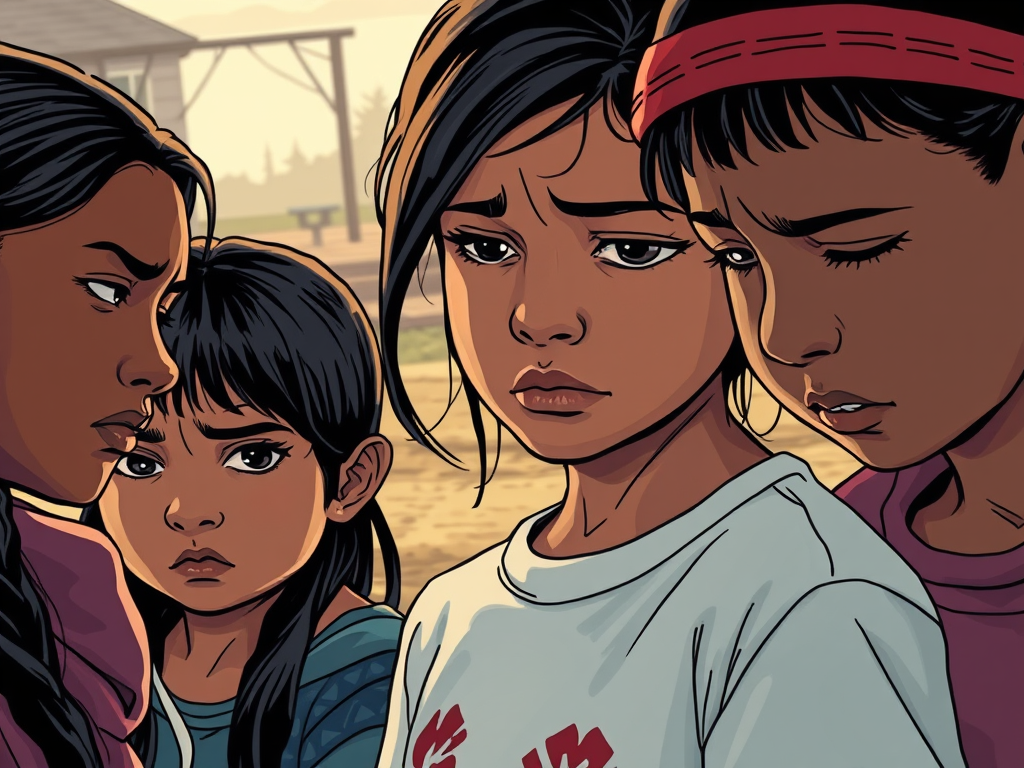
On one side, young mob in places like Armidale, Gunnedah and Tamworth are steeped in old stories: about balance, kinship and obligations to care for each other and for Country.
On the other side, they’re swimming in an online world where:
- violent and degrading content is a click away;
- racist and sexist abuse can follow you home on your phone.
For Aboriginal girls and women, that seems to play out on top of a reality where they are already at dramatically higher risk of physical and sexual violence than non‑Indigenous women, and more likely to be hospitalised or killed as a result.
This is why respectful‑relationships education cannot be a generic program flown in from Sydney. It has to be grounded in culture, owned by mob and honest about the risks our young people actually face.
Respectful relationships are already in our law – we just don’t call it that
Aboriginal lore has always been about relationships – between people, between tribes / clans, between people and land.
And many Elders (but not all, lets be honest…) have long taught what it means to show respect, keep promises and uphold boundaries.
We don’t have to import values from outside.
We have to name and strengthen what is already here, and call out the ways colonisation / imperialism have disrupted it.
Practical ways this can show up in New England and across NSW:
- Using stories, art, music and on‑Country learning to explore themes like jealousy, control, shame and healing.
- Creating safe spaces for youth to talk about anger, family, peer pressure and masculinity in a way that doesn’t shame them but does challenge harmful behaviour.
We also need non‑Indigenous people to recognise their role. It is not to lecture Aboriginal families about culture… but to challenge racism and sexism in their own circles and to back Aboriginal‑owned programs in schools, sports and youth groups.
If we want fewer people in hospital and court in ten years’ time, the work starts now – in classrooms, on Country, on phones, at kitchen tables.
This 16 Days, commit to raising a generation who see respect not as a lesson they got once in Year 9, but as a way of being they saw every day…
Discover more from Indigenous News
Subscribe to get the latest posts sent to your email.