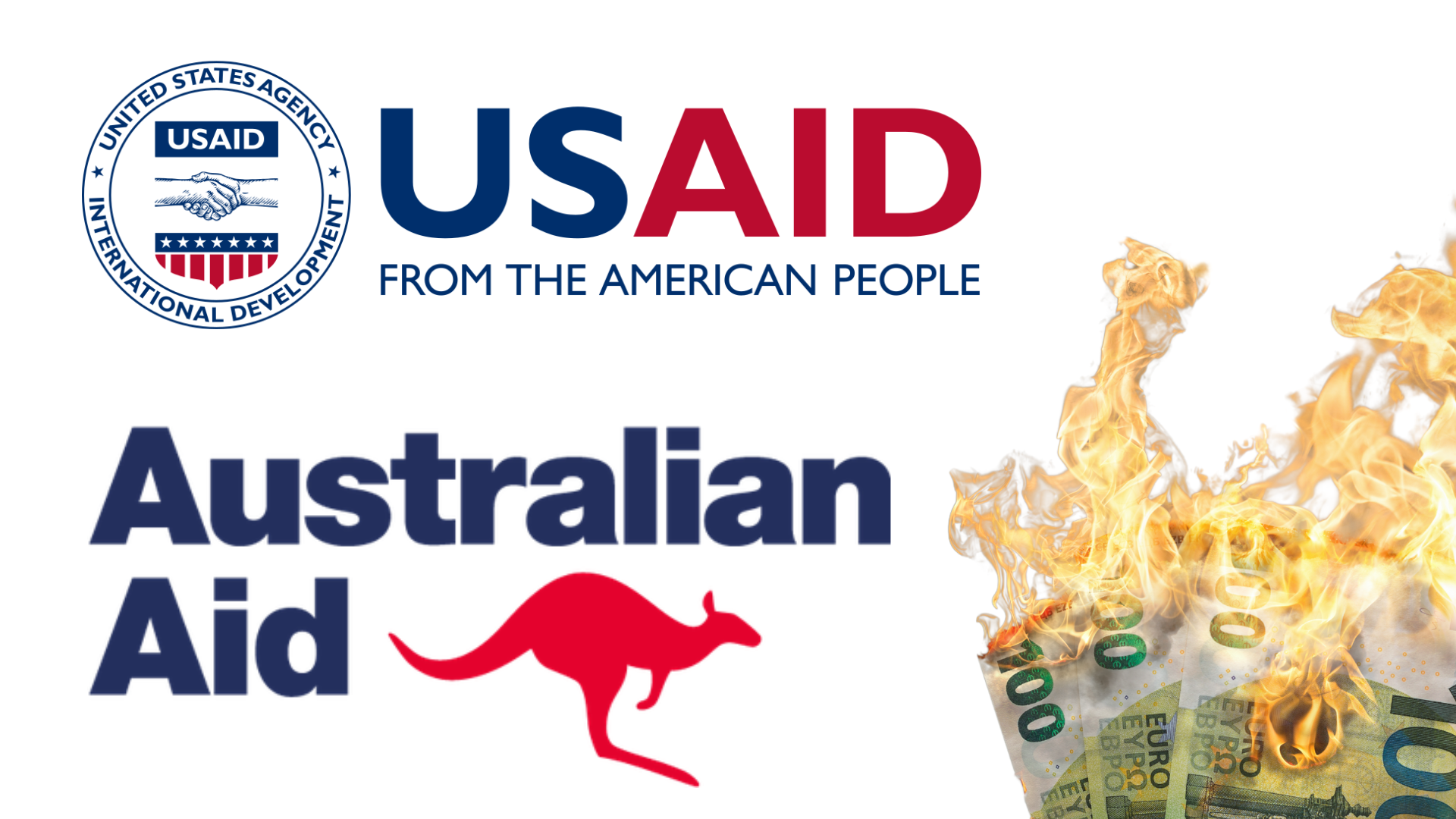
As the U.S. moves to dismantle its primary foreign aid agency, the United States Agency for International Development (USAID), due to allegations of corruption, mismanagement and funding misappropriation, questions arise over Australia’s own foreign policies. With an upcoming federal election, Australia must scrutinize its programs to ensure they serve national interests and do not contribute to global corruption or terrorism.
USAID: A Legacy of Waste and Corruption
USAID, the cornerstone of U.S. international aid efforts, has long been accused of financial mismanagement, wasteful spending, and funding entities with ties to terrorism. Reports indicate that taxpayer money has been funnelled into dubious projects, including funding for organizations with alleged terrorist links and ineffective initiatives that have failed to deliver tangible benefits. The current U.S. administration has taken drastic steps, halting foreign aid distribution and initiating the dismantling of USAID, citing national security risks and a failure to align with U.S. interests.
Among the most shocking revelations:
- USAID was found to have indirectly supported extremist groups through poorly vetted grants.
- Large sums of money were directed to ineffective or fraudulent programs, such as funding Moroccan pottery classes and a $20 million ‘Sesame Street’ initiative in Iraq.
- Overbilling by USAID contractors, with some accused of engaging in fraudulent practices to siphon off millions.
With such egregious failures, the question arises: Should Australia follow suit and overhaul its own aid distribution model?
Australia’s Foreign Aid: A System Failing Its Own People
While USAID’s corruption scandal unfolds, Australia’s Department of Foreign Affairs and Trade (DFAT) faces its own credibility crisis. Evidence suggests that Australian foreign aid is disproportionately directed toward overseas entities while systematically excluding Australian organizations, including Indigenous-led businesses, from participating in aid programs.
One stark example is the 2025 Direct Aid Program (DAP) in the Philippines, which has been found to exclude Australian-registered NGOs and Indigenous businesses from accessing funding. This raises serious concerns about whether DFAT’s policies are truly in the interest of Australian taxpayers or if they are merely facilitating a flow of funds into potentially corrupt foreign networks.
Is Australian Aid Funding Corruption and Instability?
The recent impeachment of Philippine Vice President Sara Duterte on allegations including a plot to assassinate the president, Ferdinand Marcos Jr., underscores the volatile political landscape that Australian money enters. The Philippines has long been plagued by corruption and political violence, yet DFAT continues to funnel aid into this environment, with little transparency or accountability.
This raises the question: Is Australia’s foreign policy serving the country’s strategic interests, or is it unwittingly propping up corruption and instability abroad?
Time for a Policy Shift: Prioritizing Australian Interests
With a federal election on the horizon, the next government must take decisive action to ensure that Australian money serves Australia’s interests rather than disappearing into foreign bureaucracies with questionable accountability.
Recommendations for reform include:
- Prioritizing Australian organizations in aid distribution – ensuring Australian-registered NGOs and Indigenous businesses have access to funding.
- Enhancing transparency in DFAT’s foreign aid programs – publicly disclosing where aid money is going and implementing stricter auditing processes.
- Tying aid to strategic national interests – funding projects that directly benefit Australia’s economic and diplomatic priorities rather than blindly following outdated international commitments.
- Ending support for corrupt regimes – halting aid to governments with poor governance records and redirecting funds toward direct-impact humanitarian initiatives.
Therefore, the dismantling of USAID highlights the critical need for oversight and reform in international aid programs. Australia can no longer afford to ignore the systemic issues within its own aid framework. As Australians head to the polls, foreign aid must be on the agenda, ensuring taxpayer dollars are spent wisely and in alignment with national priorities—not in funding terrorism, corruption, or ineffective programs overseas.
The time for action is now. Will Australia learn from the USAID scandal, or will it continue down the path of waste and mismanagement?
Note: correspondence with DFAT’s media team and the Australian Embassy in the Philippines.


Discover more from Indigenous News
Subscribe to get the latest posts sent to your email.