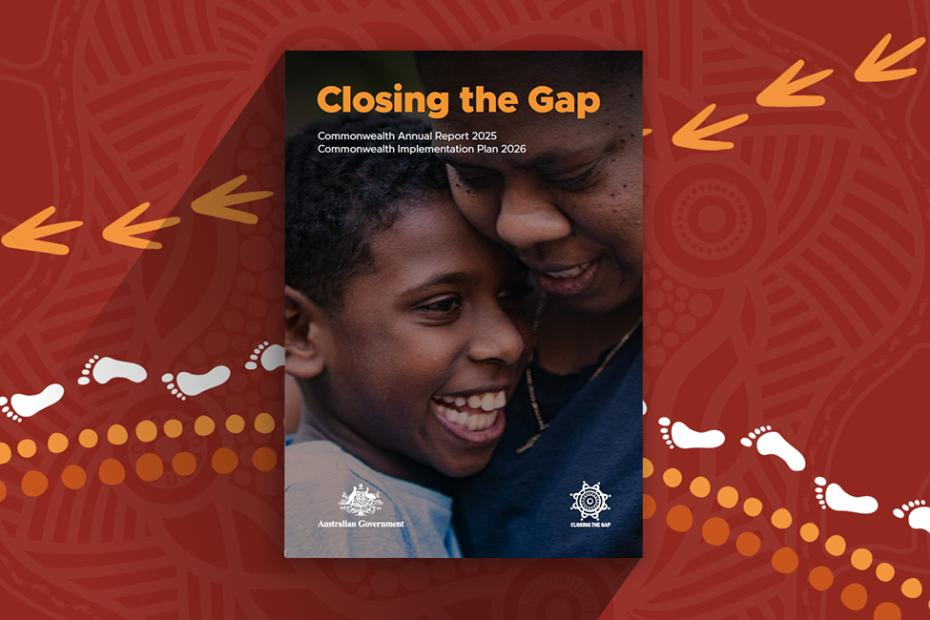
The federal government has released its 2025 Closing the Gap Annual Report alongside the 2026 Implementation Plan – painting a mixed picture of progress as only four of 19 national targets remain on track to be met by the 2031 deadline.
Prime Minister Anthony Albanese delivered the report to Parliament on Wednesday 12 February. It highlights practical gains in remote communities including more than 1,450 real jobs created through the Remote Jobs and Economic Development Program, cheaper essential goods in 117 remote stores and more than 300 new houses built in remote Northern Territory communities.
The 2026 Implementation Plan outlines the government’s forward agenda. Key commitments include doubling the RJED program from 3,000 to 6,000 new jobs with a $299 million investment and extending the Low-Cost Essentials Subsidy Scheme to 75 more stores.
The government also announced $218.3 million for a new 10-year plan to end family, domestic and sexual violence against Aboriginal and Torres Strait Islander women and children – described as the first standalone plan of its kind.
Minister for Indigenous Australians Malarndirri McCarthy said the government is creating thousands more real jobs in remote communities with decent pay and conditions while reducing housing overcrowding and easing the cost of living.
Deputy Lead Convenor of the Coalition of Peaks Scott Wilson said Closing the Gap means giving Aboriginal and Torres Strait Islander people and organisations the power and resources to lead solutions.
“Our people and organisations have the knowledge and trust of their communities and that is exactly what’s needed to drive real, lasting change” Mr Wilson said.
However the data also reveals persistent failures. School readiness for Aboriginal children has declined since 2018. Suicide rates among First Nations people have worsened significantly. Aboriginal men have a life expectancy gap of about nine years compared to non-Indigenous men. Aboriginal and Torres Strait Islander children remain 11 times as likely to be in out-of-home care and 27 times as likely to be in youth detention.
Other commitments for 2026 include doubling the Indigenous Rangers Program workforce to 3,800 by 2030, providing free community Wi-Fi in up to 50 remote communities and a record $250 million Commonwealth investment to reform health and hospital services for First Nations people.
Discover more from Indigenous News
Subscribe to get the latest posts sent to your email.