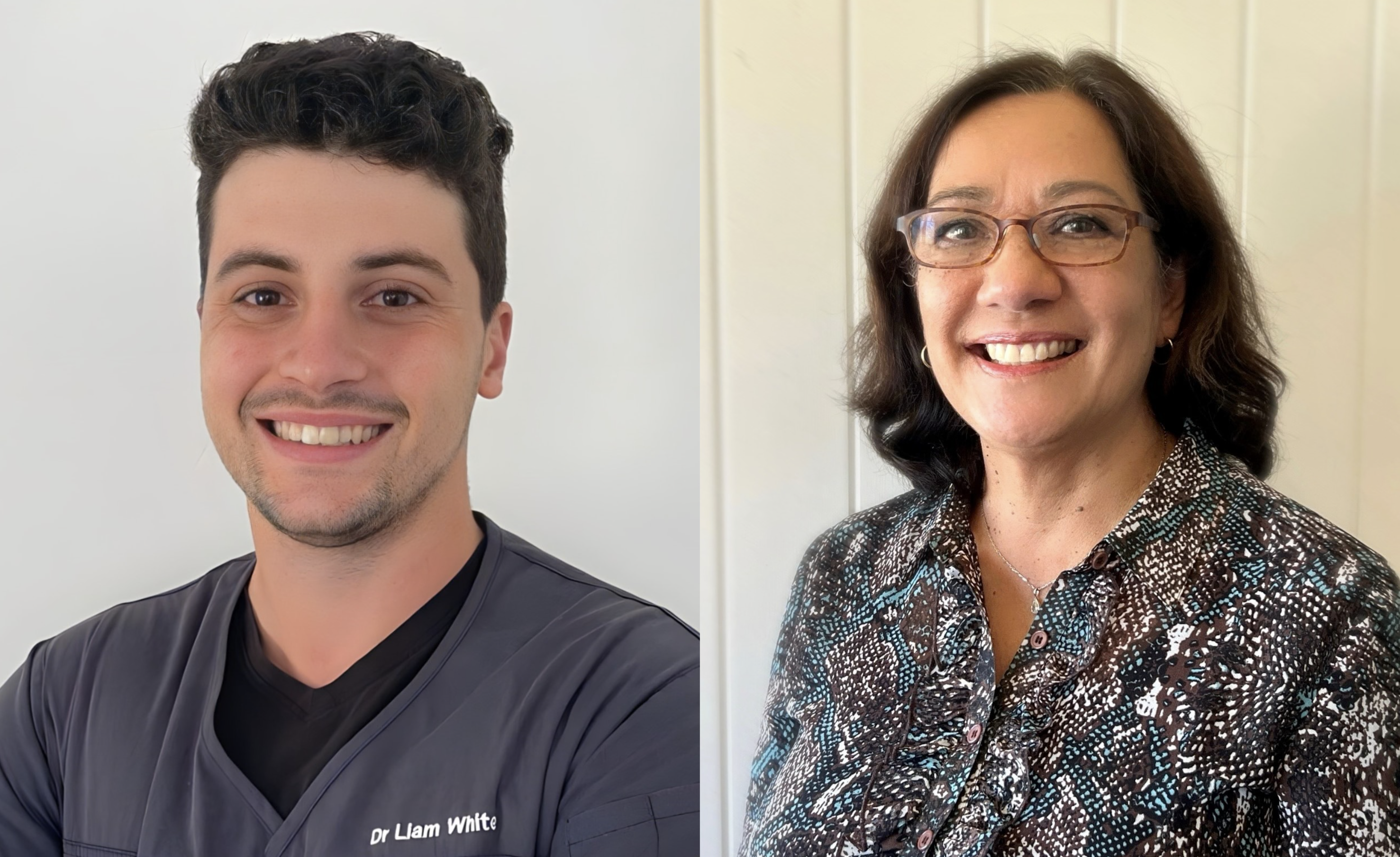
Three new scholarship recipients have been announced under the 2026 round of the First Nations Cancer Scholarship – a program designed to grow the number of Aboriginal and Torres Strait Islander health professionals working in a field where their people bear a disproportionate burden of disease.
Cancer is currently the leading cause of death among Indigenous Australians, accounting for close to a quarter of all deaths, according to the 2025 Australian Institute of Health and Welfare Aboriginal and Torres Strait Islander Health Performance Framework. Yet less than one per cent of health professionals in Australia identify as First Nations.
The scholarships (funded by the Australian Government through Cancer Australia and led by the Aurora Education Foundation) support Aboriginal and Torres Strait Islander graduate students, health professionals and early-career researchers in full-time postgraduate study or research in cancer-related fields. Each scholarship is valued at up to $120,000 a year for up to three years, with additional academic and wellbeing support provided.
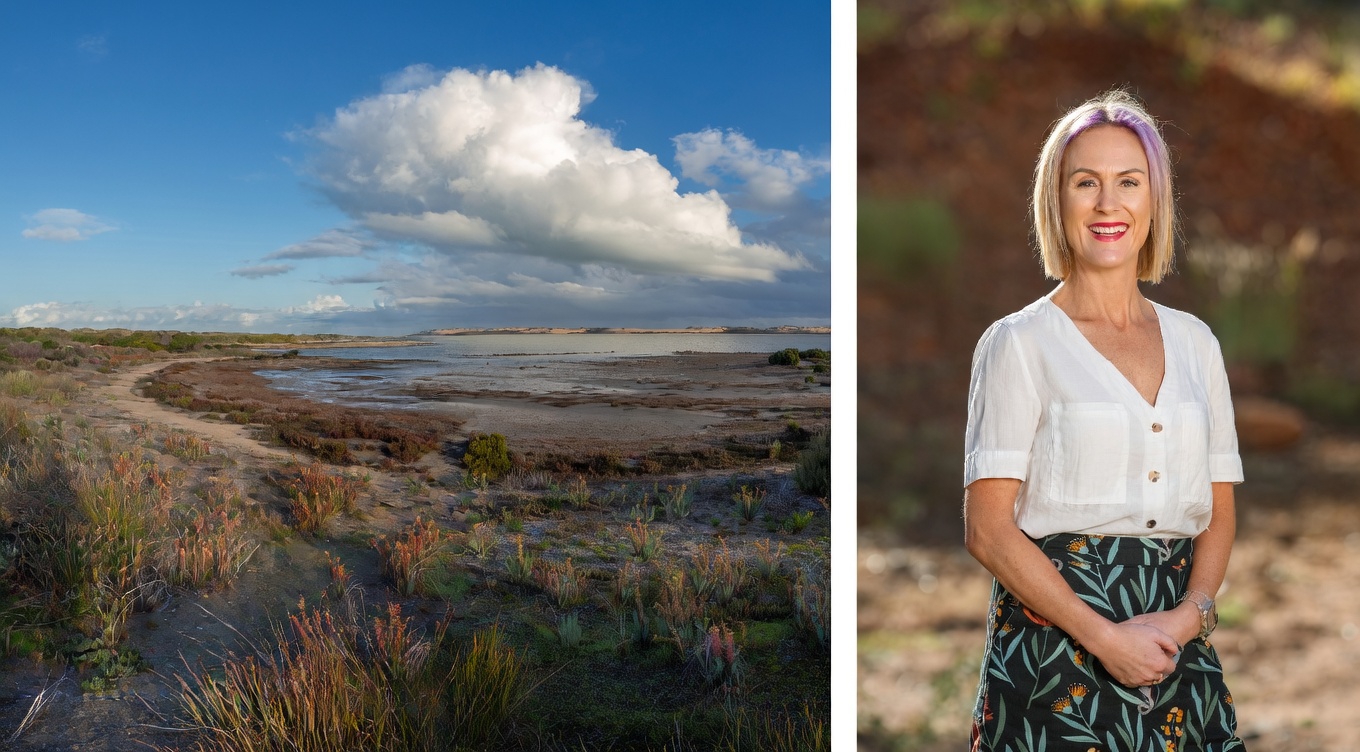
Among the 2026 recipients is Hannah Mason, a Kamilaroi woman beginning her Masters in Clinical Exercise Physiology at Charles Sturt University. Ms Mason said culturally safe representation in cancer care was a matter of trust, not just numbers.
“Culturally safe and responsible care is one of the most critical factors influencing how our mob engage with the health system” Ms Mason said. “In cancer care particularly, the presence of First Nations professionals helps our people feel seen, heard, and supported in ways that extend beyond clinical treatment.”
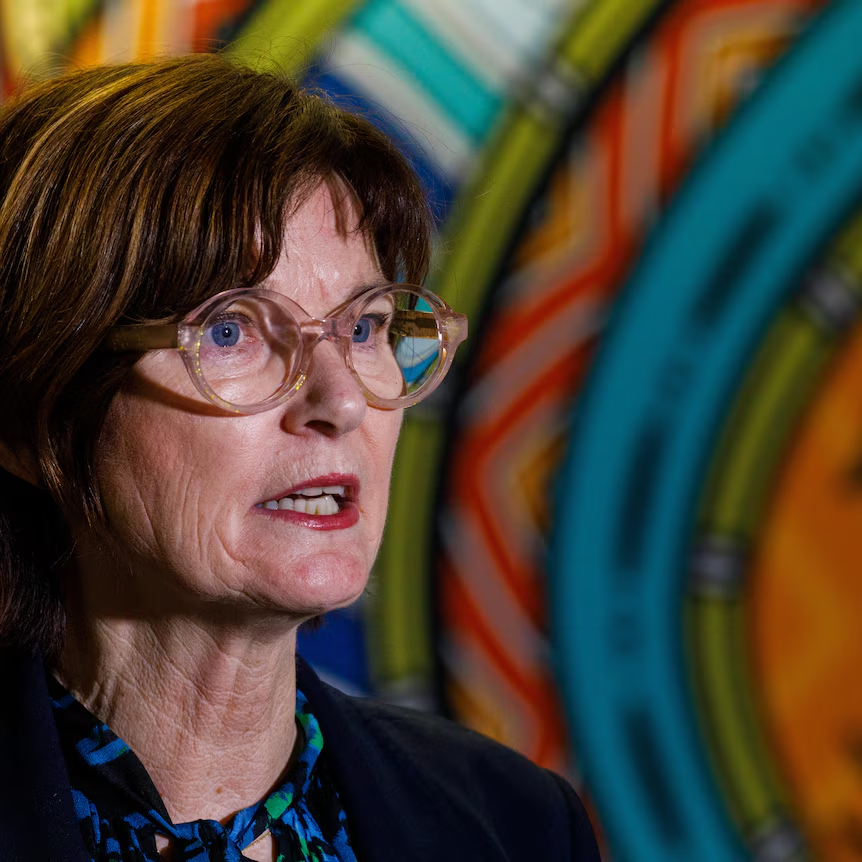
Cancer Australia chief executive Professor Dorothy Keefe said the scholarships were essential to changing outcomes.
“Increasing the number of First Nations researchers and health professionals in this field is essential to improving outcomes and ensuring care is culturally safe and effective” Professor Keefe said.
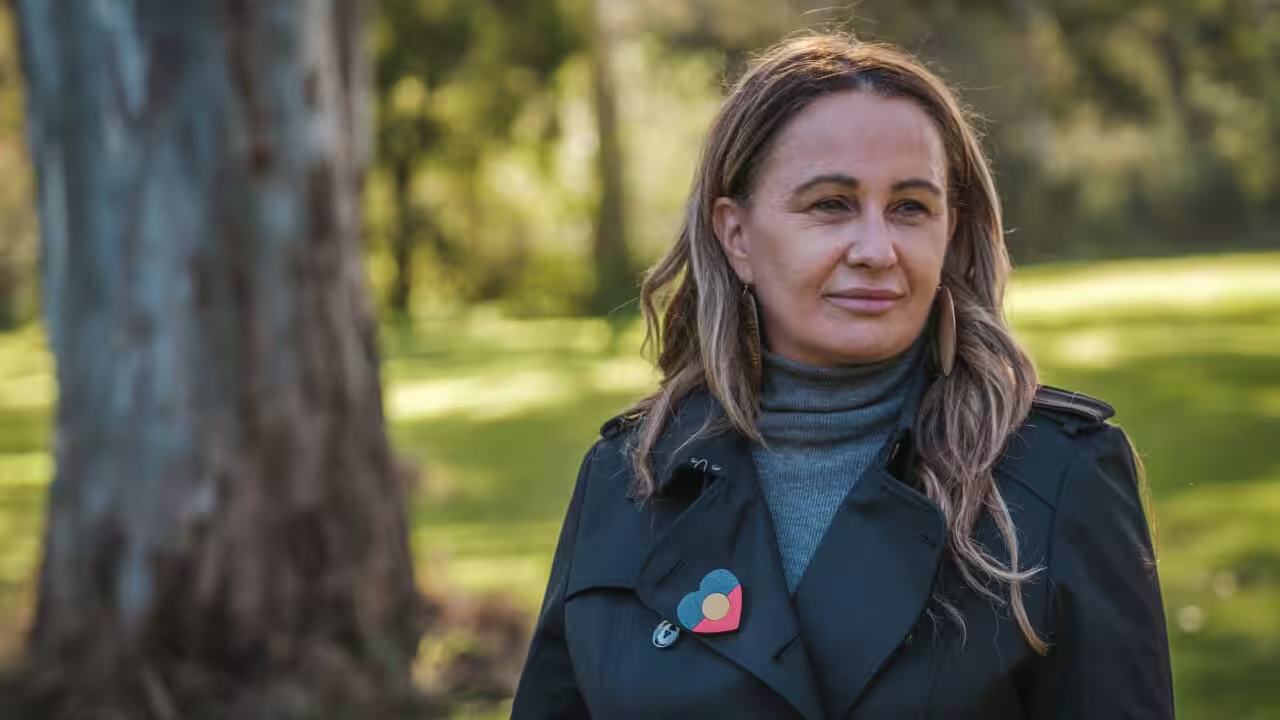
Aurora Education Foundation acting chief executive and Noongar woman Tamara Murdock said the program was grounded in a straightforward principle: that the knowledge and experience needed to improve outcomes already existed in communities and simply needed the right backing.
“When our people are supported to lead on our own terms, the impact extends beyond the individual, strengthening families, communities and future generations” Ms Murdock said.
The scholarships are part of a four-year, $5.9 million federal government commitment to building the Aboriginal and Torres Strait Islander workforce in cancer policy, research and care. The program has been running since 2024, with up to four scholarships awarded each year.
Advocates in the field have long argued that without a significant increase in First Nations health professionals, culturally safe cancer care will remain out of reach for too many communities – particularly in regional and remote areas where cancer screening rates remain lower and outcomes worse.
Discover more from Indigenous News
Subscribe to get the latest posts sent to your email.