Communities on Queensland’s Cape York Peninsula are again watching the tropics nervously, with Severe Tropical Cyclone Maila forecast to turn towards the coast just weeks after Cyclone Narelle tore through the region.
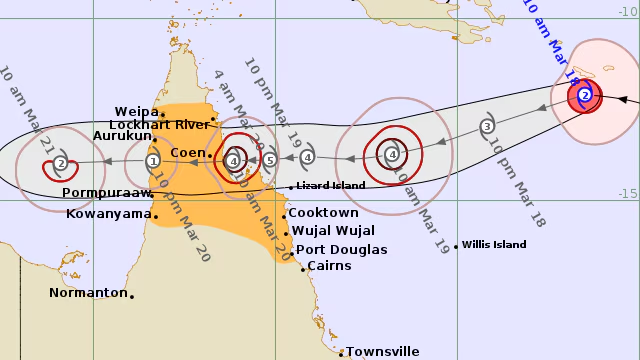
The Bureau of Meteorology said Maila was a category 3 system on Monday, circling in the Solomon Sea about 590 kilometres west of Honiara, producing wind gusts of up to 185km/h and sustained winds of 130km/h. Meteorologist Helen Reid said the most likely scenario was a weekend crossing on Cape York, but warned modelling remained fluid.
“It’s still jury’s out on this one, but it does look like it will be heading towards that peninsula coastline over the course of the weekend” Reid said.
While Maila’s track may change, the prospect of a second severe system has sharpened concerns for remote communities still cleaning up after Narelle, particularly around access, communications and safe shelter during extreme winds.
In a report published earlier in the week, senior forecaster Jonathan How said the developing system had multiple possible tracks as it began moving away from the Solomon Sea. “There is still quite a bit of spread in the tracks it could take from Wednesday, and that means that there’s still a range of scenarios possible” Mr How said.
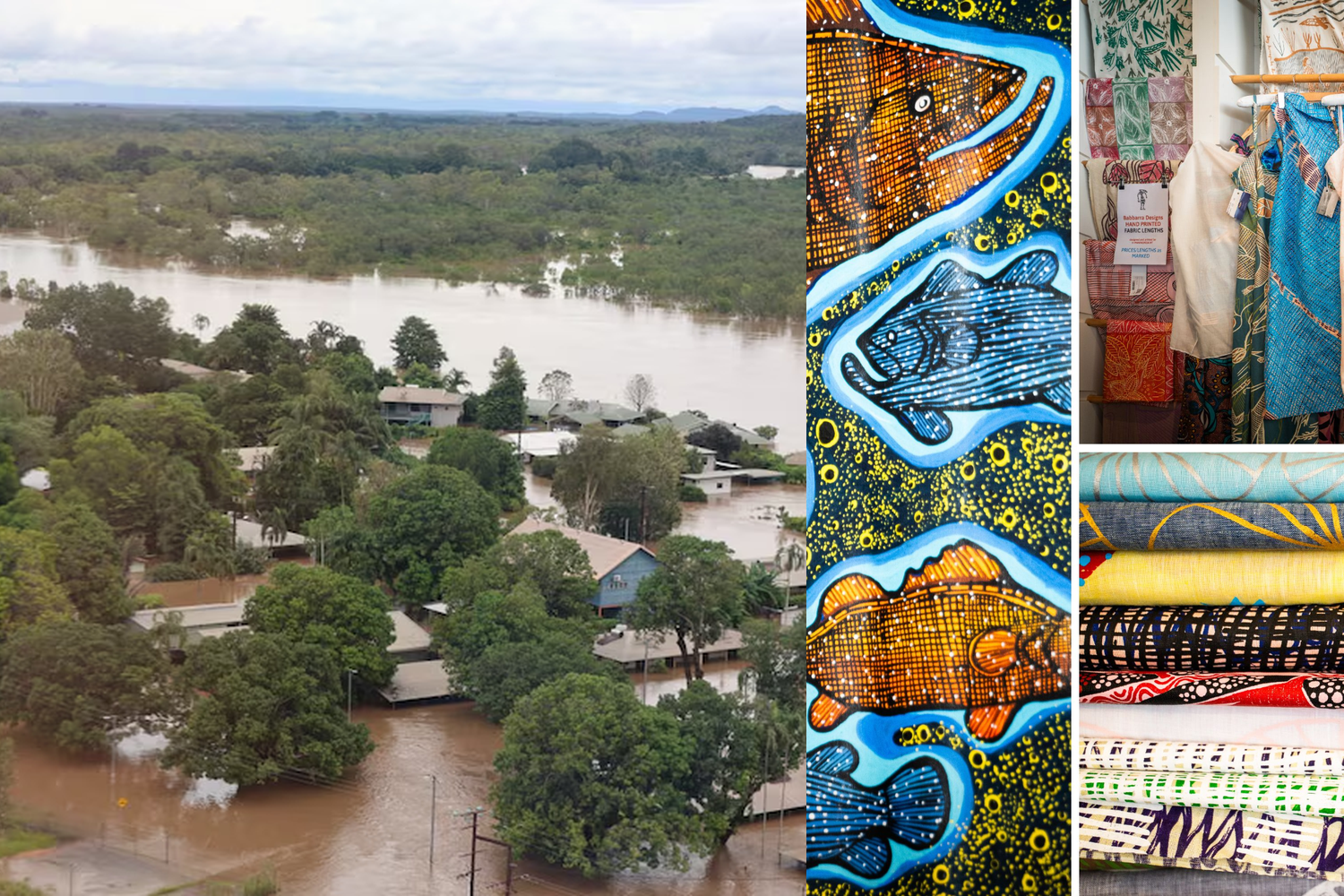
Cook Shire, which includes large stretches of Cape York and communities that can be cut off by flooded rivers, remains in recovery mode from Narelle. “It’s hard because there’s so much happening and we just really don’t know where it’s going to land” Cook Shire Mayor Robyn Holmes said.
The renewed uncertainty has also reignited a long-running push for purpose-built cyclone shelters on the peninsula. Some communities rely on designated places of refuge rather than shelters engineered for extreme cyclones and at Lockhart River, the Aboriginal Shire Council has been lobbying for years for a dedicated facility.
“One thing our community is very, very good at is resilience and they don’t take fright easy,” Lockhart River Aboriginal Shire chief executive David Clarke said.
The Bureau’s recap of Narelle’s path shows why locals are wary: the storm formed in the Coral Sea on 17 March and later made landfall in Queensland, the Northern Territory and Western Australia during its historic journey across northern Australia. That sequence left townships and outstations dealing with damaged infrastructure, downed trees and prolonged recovery work.
Authorities continue to urge residents and travellers to monitor official warnings and to finalise plans well ahead of any landfall. With cyclone season typically running through to the end of April, forecasters say even small shifts in a system’s speed or direction can change the risks for communities along the far north coast.
Discover more from I-News
Subscribe to get the latest posts sent to your email.