The Queensland government’s appointment of former police detective Darren Robinson to the Legal Aid Queensland board has triggered sharp criticism from First Nations leaders and legal advocates, reviving long-running trauma linked to Palm Island and the aftermath of Mulrunji Doomadgee’s 2004 death in custody. The controversy is significant because Legal Aid plays a critical role in access to justice for disadvantaged Queenslanders, including many Aboriginal and Torres Strait Islander people who are overrepresented in the criminal justice system.
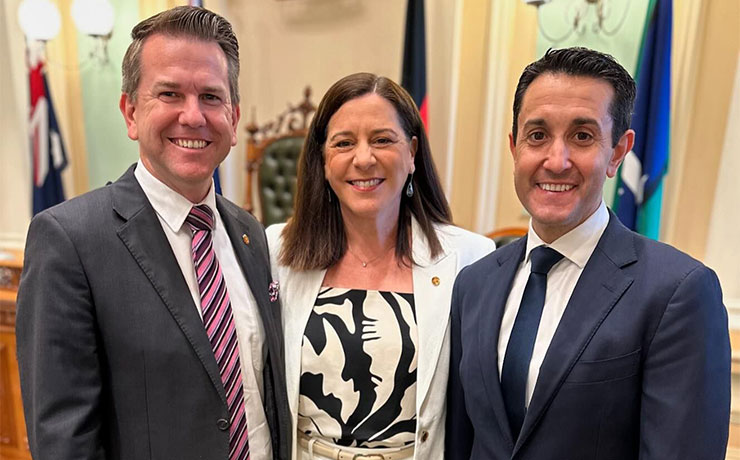
Attorney-General Deb Frecklington announced Robinson’s appointment as part of broader justice portfolio changes, describing him as an experienced lawyer with decades of work across investigations, criminal law and regional practice. The government said his experience working with rural and Indigenous clients would strengthen the board. Legal Aid Queensland’s board page now lists Robinson as a member, noting his long involvement in the criminal justice system and his current work as a Townsville solicitor.
But criticism has centred on Robinson’s policing history and his connection to Palm Island because of earlier federal court findings about the policing response that followed Mulrunji’s death and the riots that erupted on the island. In 2016, the Federal Court found Queensland Police had unlawfully discriminated against Palm Island’s Aboriginal community during the investigation and in the handling of the aftermath. Human Rights Law Centre summaries of the case said the court found failures in communication, excessive policing powers and disproportionate force formed part of that discriminatory response.
Robinson had been described in court material as a “principal antagonist” in events surrounding Palm Island. Aunty Gracelyn Smallwood said the appointment had “brought back a lot of trauma”, arguing the decision reopened wounds that had never fully healed. The same report noted calls from legal and academic figures for more Aboriginal representation on legal aid boards, rather than appointments likely to deepen mistrust.
This dispute is not only about one board member. It is about whether institutions that serve vulnerable communities understand how appointments are read by those communities. Legal Aid is meant to be a gateway to justice, particularly for people who cannot afford legal representation. When an appointment is seen by many First Nations people as insensitive or dismissive of historical harm, confidence in that institution can be damaged, whether or not that was the government’s intention.
The Queensland government has defended Robinson’s credentials. Yet the backlash suggests the deeper issue is legitimacy. In a state where Indigenous people remain heavily affected by policing, incarceration and legal disadvantage, who sits around decision-making tables matters. The Palm Island response remains one of Queensland’s most painful legal and political fault lines and this appointment has placed it squarely back into public view.
Discover more from Indigenous News
Subscribe to get the latest posts sent to your email.